May 4, 2026 • Celeste Marchand • 9 min reading time • Prices verified June 6, 2026
The Thank-You Gift That Arrives Fresh and Feels Genuinely Thoughtful Under $50
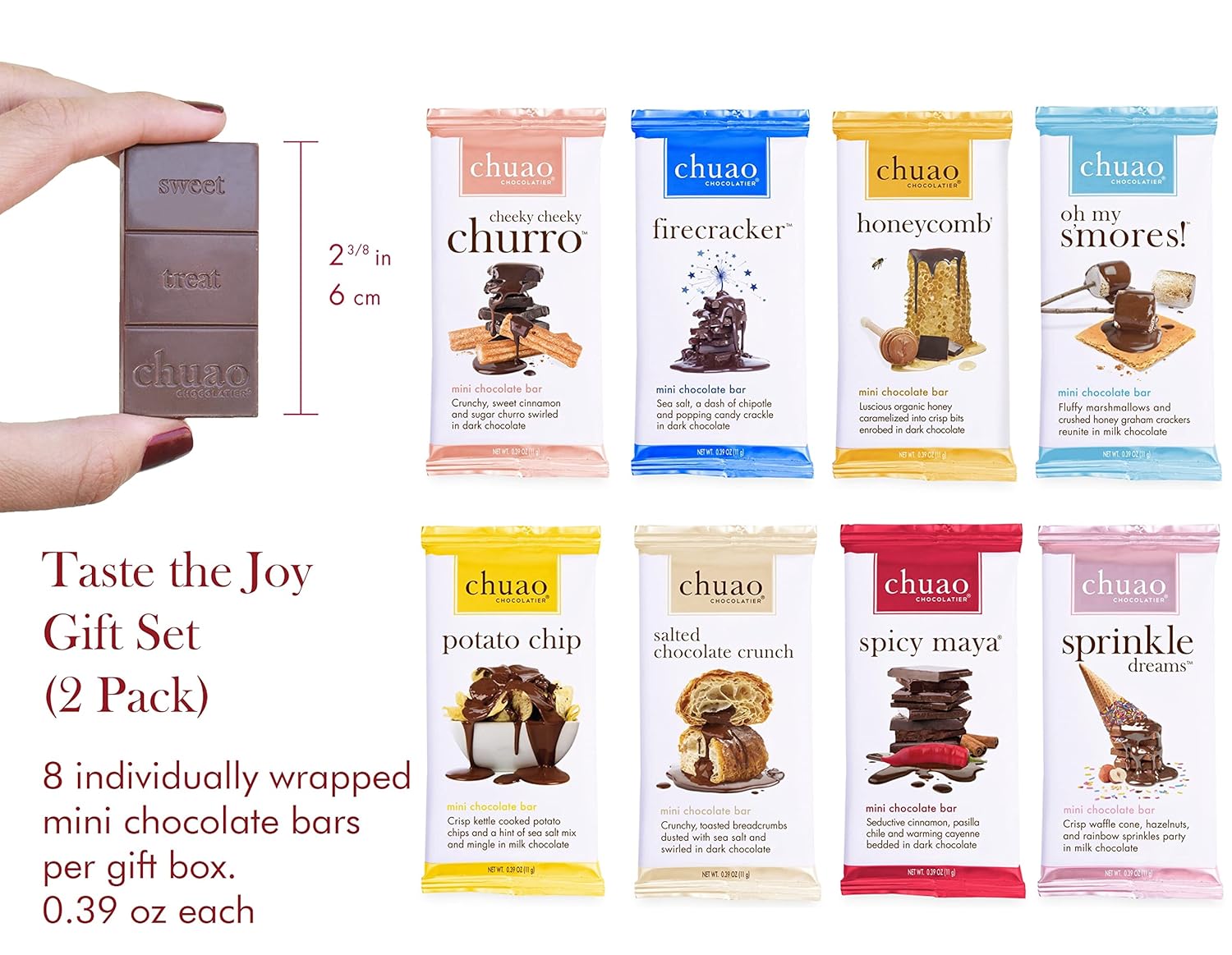
A thank-you gift walks a very specific tightrope. It has to feel personal enough that the recipient knows you thought about them — not just grabbed something at the checkout counter — but it can’t be so lavish that it makes the other person feel like they now owe you something. Chocolate, done right, hits that sweet spot almost perfectly. A well-chosen box of truffles or a beautifully wrapped artisan bar says I noticed you, I appreciate you, and I have decent taste without sending anyone a bill for the favor. The challenge is that “chocolate gift” covers everything from a drugstore bar to a $400 single-origin collection, and navigating that range — especially under a $50 budget — takes a bit of knowledge. This guide gives you the framework: what to look for, which makers routinely deliver on the promise, and exactly how to match your pick to the moment.
Why the $50 Ceiling Is Actually the Interesting Budget
Let’s be honest: a $300 box of Michel Cluizel plantation bonbons is not hard to recommend. Exceptional cacao, impeccable construction, a name that lands with any chocolate connoisseur — the story writes itself. The $50 tier is harder and, frankly, more instructive, because it forces real tradeoffs.
At $50 and under, you’re working with three primary decision variables:
Format — Are you buying a single artisan bar (or a flight of bars), a small box of truffles or bonbons, or a curated sampler set? Each sends a different signal. A single Valrhona Manjari bar at ~$12 is a connoisseur’s flex but can read as thin if the packaging isn’t elevated. A 12-piece truffle box from a respected maker lands more ceremonially even if the per-gram cacao quality is slightly lower.
Freshness window — Truffles and ganache-filled bonbons (bonbons being the technical term for individual chocolate pieces filled with ganache, caramel, or other centers) typically have a shelf life of two to four weeks from production. Bars — solid chocolate with no filled centers — hold for six months or more if stored properly. When you’re shipping a gift, this matters enormously. A truffle box that takes a week in transit and then sits on a recipient’s counter for another week is a very different product than the one that left the maker’s kitchen.
Maker credibility — At this price band, the name on the box is doing real work. Bon Appétit’s gift chocolate roundups consistently flag that recipients respond to recognizable artisan brands — Vosges, Compartés, Recchiuti, Fran’s, Compartés — because the name signals that a real choice was made, not just a convenience purchase.
The Quick Numbers
| Format | Typical price range | Shelf life | Ships well? |
|---|---|---|---|
| Artisan single bar (2–3 oz) | $10–$18 | 6–12 months | Yes |
| 3-bar flight / gift set | $28–$48 | 6–12 months | Yes |
| 6–9 piece truffle box | $22–$45 | 2–4 weeks | Seasonally only |
| 12–16 piece bonbon collection | $38–$55 | 3–5 weeks | Seasonally only |
The seasonal shipping caveat is load-bearing. Most reputable chocolate makers — and Wirecutter’s chocolate gift coverage makes this explicit — pause or restrict shipping of ganache-filled pieces when ambient temperatures exceed roughly 75°F. If you’re buying a thank-you gift in summer months and shipping to a warm-climate address, a truffle box can arrive as a lumpy, bloomed (that chalky-white surface film that forms when chocolate’s cocoa butter separates from temperature stress) disappointment. Bars are your warm-weather ally.
The Picks Worth Your $50
These recommendations draw on aggregated editorial coverage from Wirecutter, Bon Appétit, Food & Wine, and sourcing commentary from The Chocolate Life, not hands-on product evaluation by this desk. The pattern across those sources is consistent enough to give confident direction.
For the Person Who Appreciates Craft: A 3-Bar Single-Origin Flight (~$32–$48)
A flight of three single-origin bars — bars made from cacao grown in a single named region or farm, the way a single-vineyard wine is tied to one place — gives the recipient a mini tasting experience and a story to tell. Compartés in Los Angeles has built a devoted following for bars with unusual inclusions (think flavors like birthday cake or jasmine) that read as genuinely playful rather than gimmicky; a three-bar set lands squarely in the $35–$45 range. Raaka Chocolate in Brooklyn produces unroasted (they call it “virgin”) bars with transparent sourcing disclosures on every wrapper — Food & Wine has cited Raaka repeatedly in its gift round-ups for exactly this transparency, which plays well with recipients who care about where things come from. For a more classic approach, a Valrhona three-bar grand cru sampler (Manjari from Madagascar at 64%, Guanaja at 70%, Caraïbe at 66%) gives someone a genuine education in how origin and percentage interact with flavor — and Valrhona’s retail packaging is restrained and sophisticated enough that it doesn’t need additional wrapping.
If/then rule: If the recipient has mentioned anything about provenance, sustainability, or “where their food comes from” — a bar flight with visible sourcing is the call. The wrapper becomes part of the gift.
For the Ceremonial Moment: A Small Truffle or Bonbon Box (~$38–$50)
When the thank-you is for something genuinely significant — a professional referral, a meaningful favor, a relationship you’re investing in — a box of bonbons reads more formally than bars. The presentation is the point; filled chocolate pieces arranged in a fitted box with a ribbon communicate occasion in a way a bar never quite does.
Recchiuti Confections in San Francisco is the name that appears most reliably in premium under-$50 bonbon coverage. Their 12-piece collections run approximately $42–$48, and The Chocolate Life’s maker commentary notes Recchiuti’s ganaches as unusually well-balanced — not the sugar-forward sweetness of mass-market truffles, but genuine depth built from high-quality chocolate bases. Fran’s Chocolates out of Seattle is another name with consistent editorial support; their salted caramel collection has been cited in Bon Appétit gift coverage as a near-universal crowd-pleaser — accessible enough for someone who doesn’t think of themselves as a chocolate connoisseur, but well-constructed enough that a serious palate appreciates it.
Shipping caveat repeated, because it matters: order these only when temperatures along the entire transit route are likely to stay below 75°F, or when overnight/two-day shipping is an option. Most of these makers flag this clearly in their shipping policies.
If/then rule: If the thank-you is for something formal — a business relationship, a mentorship, a genuine favor — a bonbon box at $40–$50 is the call. Budget the extra few dollars for two-day shipping in any month between May and September.
For the Budget-Conscious but Still Tasteful: An Elevated Single Bar with Packaging (~$14–$22)
Sometimes the ask is genuinely simple: you want to give something that doesn’t look like an afterthought but the situation doesn’t warrant a $45 spend. A single beautifully packaged artisan bar can do this work when you choose the right one.
Mast Brothers (now operating as Mast Chocolate) produces bars in tall, book-wrap packaging that reviewers consistently describe as among the most gift-ready formats in the category — the aesthetic does the heavy lifting. Dick Taylor Craft Chocolate in Eureka, California, produces bars with clean, minimalist packaging and sourcing-forward labeling that reads as thoughtful without shouting. At $12–$18 a bar, you’re not breaking the $50 ceiling — but don’t underestimate what a single well-chosen bar says when it arrives with a handwritten note.
The note, by the way, is not optional. Every editorial source covering the psychology of gifting — Food & Wine’s gift guides make this point repeatedly — flags that handwritten specificity is what separates a thoughtful gift from a purchase. “I picked this one because the Madagascar origin means it’ll have the fruity brightness I know you like” is a two-sentence note that transforms a $14 bar into a considered gift.
The Freshness Question Nobody Talks About Enough
Most buyers spend their mental energy choosing the right maker and forget to think about when the chocolate was made. Ganache-filled pieces in particular degrade relatively quickly, and a maker who ships product that spent three weeks in warehouse storage before it got to you is selling a different thing than one who makes to order or ships on a short cycle.
The Chocolate Life’s sourcing commentary has repeatedly emphasized this as an underappreciated variable in the premium chocolate market: the gap between a maker’s production date and the consumer’s consumption date is often invisible, but it’s what separates a ganache with clean, layered flavor from one that tastes vaguely stale or has developed off-notes.
Practical ways to protect yourself here:
- Order directly from the maker rather than through a third-party retailer when freshness matters (truffle/bonbon purchases especially)
- Look for makers who list production or “best by” dates visibly on packaging — this is a transparency signal that serious makers increasingly use
- Avoid aggregate chocolate “gift box” products assembled by retailers who may be sourcing from multiple makers at varying freshness levels
For bars, this is far less of a concern — well-made dark chocolate with no filled centers can hold for six months or more without meaningful flavor degradation, assuming it’s been stored away from heat, light, and strong odors.
Matching the Pick to the Moment
The decision frame, simplified:
- Warm relationship, casual thanks, any season: 3-bar single-origin flight, $32–$48. Ships reliably, tastes interesting, gives them something to talk about.
- Formal thanks, cooler months (Oct–Apr), ~$40–$50 budget: 12-piece bonbon or truffle collection from Recchiuti or Fran’s. Order direct from the maker. Add a two-day shipping upgrade.
- Tight budget, still want it to feel considered: Single artisan bar ($14–$18) from a maker with strong packaging, plus a specific handwritten note. The note is doing 50% of the work.
- Recipient is a known chocolate enthusiast: Skip the truffle box (they probably have opinions about ganache ratios you can’t anticipate) and go with a bar flight anchored by a Valrhona or Raaka single-origin. Let the origin story on the label do the talking.
The $50 ceiling in chocolate gifting is not a limitation — it’s a discipline. It teaches you which variables actually move the needle (freshness, maker credibility, presentation, specificity of choice) and which are just price signals masquerading as quality. Nail those four variables inside the budget, and the recipient will never know what you spent. They’ll just remember that you thought about them.