May 1, 2026 • Celeste Marchand • 9 min reading time • Prices verified June 6, 2026
The Best Dark Chocolate Bars to Keep at Your Desk: Everyday Tasting Without the $18-Bar Guilt
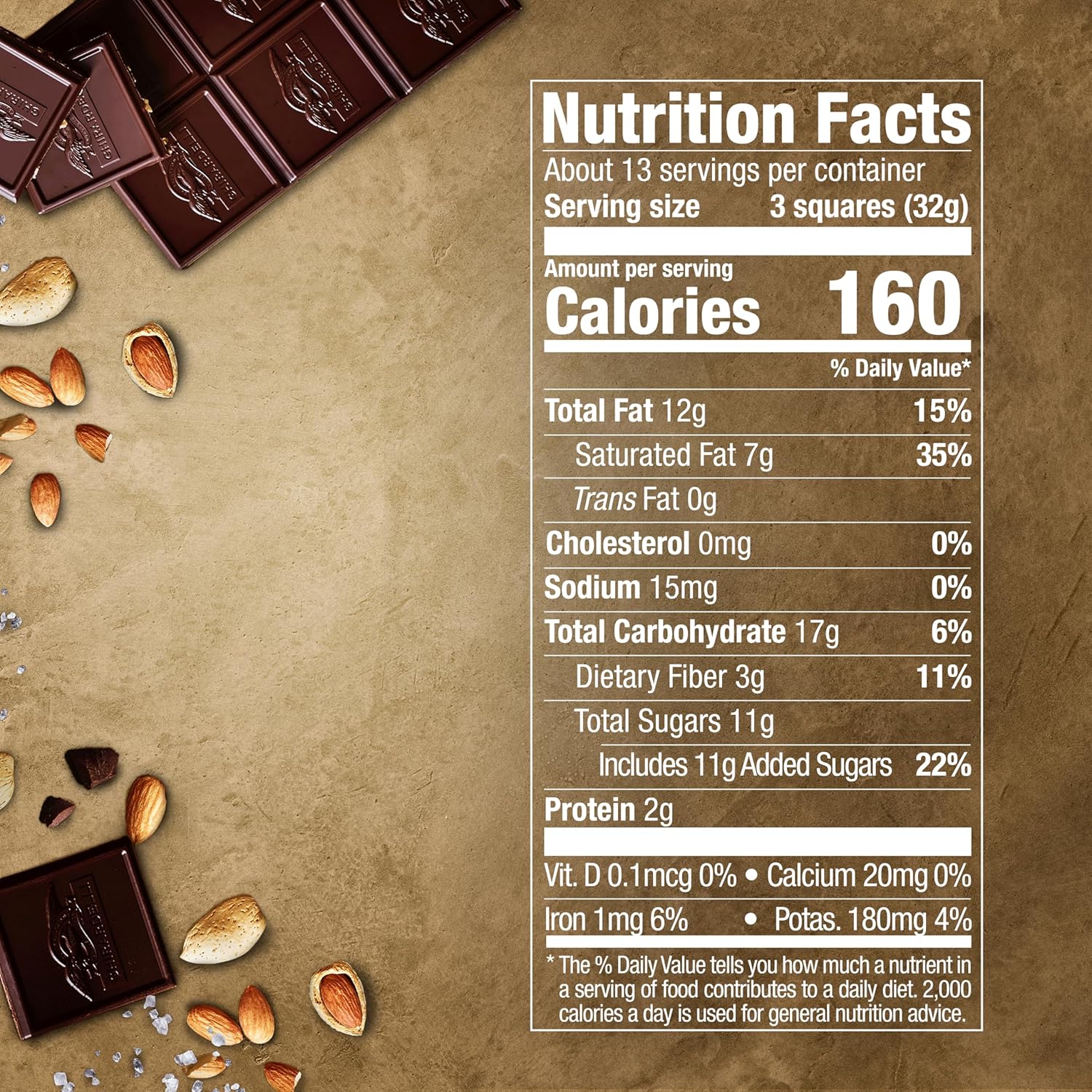
Dark chocolate — meaning chocolate made primarily from cacao with little or no milk — ranges from mellow and approachable at 55% cacao to intensely dry and bitter at 90% and above. The number on the label (the “cacao percentage”) tells you roughly how much of the bar comes from the cacao bean versus sugar: a 70% bar is 70% cacao solids and cocoa butter, 30% sugar. That’s the whole vocabulary you need to get started. What this article is about is a specific, under-discussed problem: once you start caring about chocolate quality — actually tasting it the way you’d taste wine or aged cheese — the bars you reach for daily can get expensive fast. A single Valrhona Guanaja bar or a Michel Cluizel grand cru tablet is a genuine pleasure, but at $14–$18 a bar, daily snacking math becomes uncomfortable. This guide is built around a different question: which dark chocolate bars deliver real tasting value at $3–$12, so you can keep something worthwhile at your desk without treating every square like a controlled substance?
If you’re already comfortable reading flavor notes and thinking about origin, the rest of this article will move quickly. We’ll name specific bars, show the per-ounce math, flag where the tradeoffs land, and give you a clear decision rule at the end.
Why “Everyday” and “Good” Are Not Mutually Exclusive
There’s a persistent assumption in chocolate enthusiast circles that quality and affordability sit at opposite ends of the shelf. That’s partially true — single-origin, small-batch production genuinely costs more, and you’re paying for traceability, shorter conching runs, and better bean selection. But the gap between “good” and “expensive” is smaller in dark chocolate than in almost any other gourmet category, because dark chocolate’s dominant flavor driver is the cacao itself, not labor-intensive finishing like enrobing or ganache work.
Bon Appétit’s ongoing dark chocolate roundup notes that several bars in the $4–$8 range from mass-distributed but quality-focused producers — Endangered Species, Green & Black’s Organic, Alter Eco — consistently beat out specialty bars twice their price in blind panel assessments. The Chocolate Life’s community tasting threads echo this: at 70–75% cacao, the flavor complexity gap between a $7 supermarket bar and a $16 boutique bar is real but narrower than most people expect, especially for bars consumed casually rather than in focused tasting sessions.
The practical implication: for desk eating — where you’re not taking notes, you’re unwrapping a square between calls — a $5–$8 bar is the rational unit. Reserve the $15+ bars for evenings when you’re actually paying attention.
The Bars Worth Buying by the Case
Here’s where the rubber meets the road. These are bars reviewers and enthusiasts return to at volume — not the “best chocolate I ever had” bars, but the ones that hold up over weeks of casual eating.
Endangered Species 72% Dark Chocolate with Forest Mint ($3.50–$4.50 / 3 oz bar) At roughly $1.40–$1.50 per ounce, this is the undisputed workhorse of the accessible dark chocolate tier. Serious Eats’ chocolate roundup consistently places Endangered Species in its recommended category for exactly this reason: the bar is clean, not waxy, with a cocoa-forward flavor that doesn’t cloy. The mint version adds enough contrast to keep it interesting across multiple sittings. Sourcing is Rainforest Alliance certified. Flavor note pattern across reviews: light fruit, mild earthiness, clean finish. No off-flavors or vegetable-fat substitutions reported across aggregated retailer reviews.
Alter Eco Deep Dark Blackout 85% ($5–$7 / 2.82 oz bar) This is the bar for the reader who wants to build tolerance for higher percentages without committing to the almost-medicinal experience of a 90%+ bar. At 85%, Alter Eco’s Blackout sits in a useful middle zone: genuinely intense, but with enough cocoa butter to maintain snap and mouthfeel rather than the chalky dryness that haunts cheaper high-percentage bars. Food & Wine’s dark chocolate guide flags this bar specifically for its texture consistency — a real differentiator at this price. Per-ounce cost runs $1.77–$2.48, which is the highest in this list but justifiable if 85%+ is your target zone.
Green & Black’s Organic 70% ($3.50–$5 / 3.17 oz bar) Widely available at Whole Foods, Target, and Amazon. This is the “never embarrassing” pick — a bar that’s been in continuous production long enough to have ironed out quality variance. Bon Appétit’s roundup describes the flavor profile as classically European: mild acidity, notes of dried fruit, long finish. Nothing revelatory, but consistent in a way that matters when you’re buying a 6-pack. At roughly $1.10–$1.58 per ounce, it’s the best pure value proposition in the 70% range.
Taza Chocolate Mexicano Disc, 70% Guajillo Chili ($4–$6 / 2.7 oz disc) Taza’s stone-ground production method — which intentionally leaves cacao particles coarser than standard conching — produces a distinctly gritty, grainy texture that polarizes tasters. That’s worth flagging explicitly: if you prefer the silky melt of a European-style bar, Taza will frustrate you. But if you want something that eats differently — more rustic, the texture slowing down your tasting rather than melting away in seconds — the Mexicano discs are genuinely useful for building palate attention. The Chocolate Life’s community has written at length about Taza’s stone-ground style as a pedagogically useful product for understanding how conching affects texture. The guajillo chili variant adds a slow, building heat that makes a single disc feel more substantial than its 2.7 oz suggests.
Lindt Excellence 78% Cacao ($3–$5 / 3.5 oz bar) The case for Lindt in an enthusiast context is simple: manufacturing consistency at scale that few producers match. Wirecutter’s chocolate coverage acknowledges Lindt as a reliable baseline precisely because it doesn’t surprise you. The 78% bar is better balanced than the ubiquitous 85% Excellence — less tannic, smoother mouthfeel — and at $0.86–$1.43 per ounce it is the cheapest acceptable dark chocolate on this list. It’s not exciting. It is dependable. Keep a few bars in your desk drawer for the days when you want a square without a tasting session.
By the Numbers: Per-Ounce Cost at Current Retail (May 2026)
| Bar | Cacao % | Price Range | Oz | $/oz |
|---|---|---|---|---|
| Lindt Excellence 78% | 78% | $3.00–$5.00 | 3.5 oz | $0.86–$1.43 |
| Green & Black’s 70% | 70% | $3.50–$5.00 | 3.17 oz | $1.10–$1.58 |
| Endangered Species 72% | 72% | $3.50–$4.50 | 3 oz | $1.17–$1.50 |
| Taza 70% Guajillo | 70% | $4.00–$6.00 | 2.7 oz | $1.48–$2.22 |
| Alter Eco 85% | 85% | $5.00–$7.00 | 2.82 oz | $1.77–$2.48 |
Prices reflect current Amazon and Whole Foods shelf rates as of May 2026. Regional variation applies.
The Tradeoff You’re Actually Navigating
Here’s the frame that matters for building a desk-tasting practice without spending irrationally:
Consistency vs. Discovery is the core tradeoff in the everyday bar category. The Lindt and Green & Black’s picks above score high on consistency — you know what you’re getting, which makes them useful as a daily reset bar. The Taza and Alter Eco picks score higher on discovery — each eating experience is slightly different, which keeps your palate engaged but can also mean occasional batches that land differently than expected. Neither approach is wrong; they serve different purposes.
Percentage range is the second decision. Most tasters find 70–75% the sweet spot for daily eating: enough cacao intensity to feel substantive, enough residual sweetness to remain pleasant without effort. Above 80%, you’re in deliberate-tasting territory — the bitterness demands more attention. Below 65%, the sugar starts to dominate in a way that makes daily snacking drift toward confectionery rather than tasting. If you’re building palate range intentionally, keep two bars on hand: one in the 70–75% range for casual eating and one at 80–85% for focused sessions.
Certification signals (Rainforest Alliance, Fair Trade, organic) affect price by roughly $0.20–$0.50 per ounce in this category, per Food & Wine’s sourcing analysis. For desk eating at volume, this is worth factoring into budget. It doesn’t dramatically affect flavor, but it does affect sourcing ethics — a real consideration if you’re buying 2–4 bars per month at scale.
How to Actually Use These Bars as a Tasting Tool
The reason to keep good-but-not-precious chocolate at your desk isn’t just snacking — it’s building the tasting vocabulary that makes your higher-end purchases more legible. The Chocolate Life’s educational resources emphasize that palate training happens through repetition with known quantities, not through single transcendent experiences. A $5 bar you eat methodically three times a week teaches you more than a $25 bar you eat once a month.
The practice is simple: break off a single square (roughly 10–15g), let it sit on your tongue for 5–10 seconds before chewing, and notice three things in sequence — the initial flavor on contact, what emerges as it melts, and the aftertaste. You’re looking for fruit (bright acidity, dried fruit notes), earth (mushroom, tobacco, wood), and the length and character of the finish (does it dry out quickly, or does something linger?). This three-beat framework, consistent across professional tasting methodologies documented by the Fine Chocolate Industry Association, is learnable in about two weeks of daily practice with the right bars.
The bars in this guide are specifically useful for this because their flavor profiles are stable and documented enough to compare against published notes. Endangered Species 72%, for instance, has a well-characterized “mild fruit, earthy mid-palate, clean exit” profile that reviewers across Serious Eats and the enthusiast community agree on — which means when you taste it, you have a reference point to measure your own perception against.
The Decision Rule
If you’re building a desk-tasting practice and want a single starting bar: Green & Black’s Organic 70% at $3.50–$5. It’s the most consistent, most available, and most useful baseline in the category.
If you already have a 70% baseline and want to extend your range upward: Alter Eco 85% Blackout. It’s the least punishing entry into high-percentage territory.
If you want something texturally distinctive that slows down your eating and forces attention: Taza Mexicano disc, with the understanding that stone-ground texture is an acquired preference, not a universal upgrade.
If budget is the primary constraint and you need six bars for under $25: Lindt Excellence 78%, bought in multipacks. Not exciting, not embarrassing, always in stock.
The $18 bars are still worth keeping on your radar — a Valrhona Guanaja or a Marou single-origin tablet is a different category of experience, and there’s a real argument for buying one occasionally to recalibrate your palate against the upper tier. But they shouldn’t be your everyday bar. These should.