May 29, 2026 • Celeste Marchand • 11 min reading time • Prices verified June 6, 2026
Craft Chocolate Sampler Gifts for the Curious: Raaka, Dick Taylor, Marou, and TCHO Compared
Here’s something most people discover the hard way: buying a craft chocolate bar for someone who loves Lindt Excellence is not the same as buying them a fancier Lindt bar. Craft chocolate — meaning bars made by small producers who control their process from the raw cacao bean all the way to the finished bar — can taste startlingly different from mass-market chocolate, even when both say “72% dark” on the label. The cacao variety, the country it came from, whether the beans were roasted or left unroasted, and a dozen other choices the maker made in their small-batch facility all land on your tongue. That’s the whole point. But it also means a poorly matched gift can confuse or disappoint a recipient who was expecting something smoother and more familiar. This guide cuts through that risk. We’ll compare four of the most-discussed American craft chocolate brands — Raaka, Dick Taylor, Marou, and TCHO — on flavor profile, gifting logistics, price-to-value, and who each one actually suits.
| EDITOR'S PICK[Marou Origins 5 Pack Mini Bars](https://www.amazon.com/dp/B0C3JJ9DN6?tag=greenflower20-20)… | Mid-tier[Raaka Chocolate Best Sellers Tr](https://www.amazon.com/dp/B094W7RHR7?tag=greenflower20-20)… | Budget pick[TCHO Dark Duo Dark Chocolate Ba](https://www.amazon.com/dp/B0BDK2XQTR?tag=greenflower20-20)… | |
|---|---|---|---|
| Bar weight | 0.84 oz | 1.8 oz | 2.1 oz |
| Number of bars | 5 | 3 | 3 |
| Single origin | ✓ | — | — |
| Organic | — | ✓ | ✓ |
| Fair Trade | — | ✓ | ✓ |
| Price | $38.89 | $26.95 | $18.99 |
| See on Amazon → | See on Amazon → | See on Amazon → |
The Core Trade-off Before You Pick a Brand
Before the brand-by-brand breakdown, one concept is worth locking in: roasted vs. unroasted cacao processing, because it divides this field more sharply than any other variable.
Most chocolate you’ve eaten — from a $1.50 grocery bar to a fine premium single-origin block — is made from roasted cacao beans. Roasting drives off volatile acidity, deepens chocolate’s familiar earthy-bitter flavor, and creates the smooth, rounded profile most people recognize as “dark chocolate.” It’s not a shortcut. Roasting is a deliberate craft choice that’s been central to chocolate-making for centuries.
Unroasted (sometimes called “raw” or “virgin”) cacao skips or radically minimizes that roasting step. The Chocolate Life, in their editorial overview “Understanding Unroasted Cacao and Raw Processing,” describes this approach as one that retains more of the bean’s original fruity, floral, and sometimes wine-like character. Think of the difference between a fresh tomato and a slow-roasted one — same fruit, entirely different flavor architecture. Buyers who seek out unroasted chocolate tend to describe the style as “bright,” “tangy,” and “intensely fruity.” Traditional dark chocolate buyers, by contrast, frequently find it jarring — a common pattern in purchasing feedback describes unroasted bars as unexpected in a way that requires recalibrating what “chocolate” means.
Neither style is wrong. But knowing which camp your recipient lives in is the single most important decision you’ll make before checkout.
The Four Brands, Side by Side
Raaka: The Unroasted Specialist
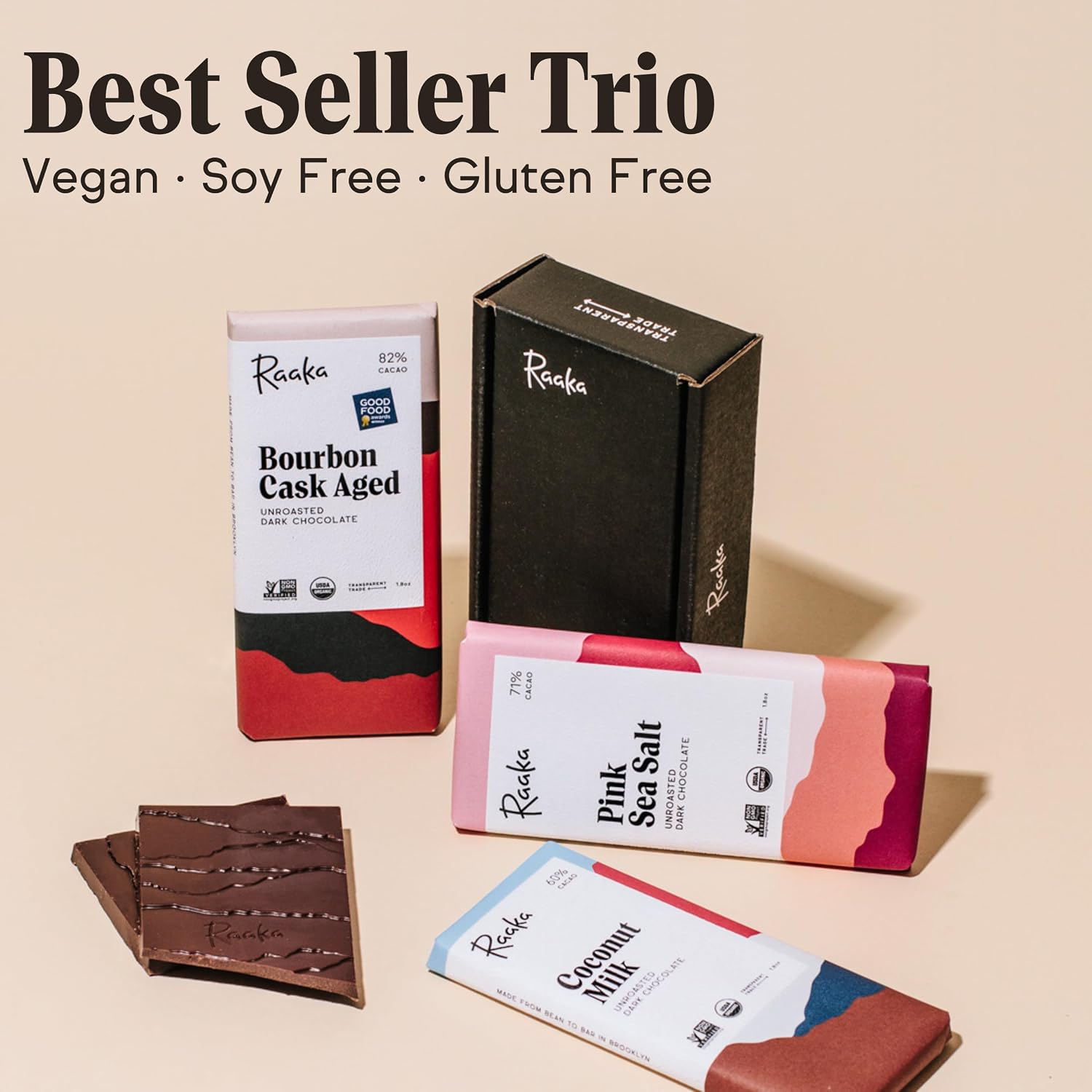
Raaka, a Brooklyn-based maker, built their entire identity around unroasted “virgin cacao.” Every bar they make starts from beans that haven’t been roasted, which means their flavor profile is aggressively different from conventional dark chocolate — bright, fruit-forward, sometimes almost tart.
Who loves it: Dairy-free and vegan buyers are a core Raaka constituency, and for good reason — the full line is dairy-free, and buyers in that community consistently describe Raaka as revelatory. The unroasted style also appeals to buyers who approach chocolate the way a wine drinker approaches natural wine: they want fermentation character and raw ingredient clarity, not smoothing or rounding. Smithsonian Magazine, in their feature article “The New Craft Chocolate Makers Redefining American Candy,” profiles small-batch producers working with direct-trade cacao in this mode, naming the unroasted category as one of the movement’s most polarizing innovations.
Who doesn’t: A buyer who likes a classic, polished dark chocolate — deeply bitter-sweet with a clean finish — may find Raaka’s fruity intensity off-putting. This is a style mismatch, not a quality failure. Raaka’s sourcing and production standards are genuinely high; the intensity is the point.
On the allergen question: Raaka bars are produced in a dedicated dairy-free facility, which matters for milk-allergy buyers — not just the lactose-intolerant but those with IgE-mediated milk allergies who need to avoid cross-contamination. Always verify current facility practices directly with the brand before gifting to someone with a clinical allergy, as production arrangements can change.
Gifting format: Raaka’s sampler sets — often organized by origin or flavor addition — are well-suited to the discovery-oriented recipient. The packaging is distinctive enough to look intentional as a gift without being overwrought.
TCHO
$18.99
In stock on Amazon
Check price on AmazonDick Taylor: The Craft Narrative Bar
Dick Taylor was founded in Eureka, California, by two craftsmen — a furniture maker and a boat builder — who pivoted to chocolate after becoming obsessed with the bean-to-bar process. That origin story carries into the product itself. Dick Taylor bars are consistently praised for their wrapper design: each label identifies the origin region and farm, so you know you’re eating Belize, or Madagascar, or Camino Verde Ecuador before the first bite. Serious Eats, in their explainer “What Is Bean-to-Bar Chocolate and Why Does It Cost So Much,” describes this kind of provenance transparency as a defining feature of the American craft chocolate movement’s second wave, and Dick Taylor exemplifies it.
Flavor profile: Roasted, refined, and origin-expressive without being abrasive. Dick Taylor’s bars tend to land more accessibly than Raaka for traditional dark chocolate drinkers while still delivering the origin complexity that makes craft chocolate worth the price. Madagascar bars typically show red fruit and citrus brightness; Ecuador origins tend toward nuttier, earthier notes.
Sampler options — a key distinction: Dick Taylor produces both single-origin trios (bars where each piece showcases a different cacao farm or country) and flavored trios (bars where origin cacao is paired with inclusions like sea salt, vanilla, or nibs). For a pure discovery gift — someone who wants to understand how geography tastes — the single-origin sets are the correct choice. For someone who’s more interested in enjoying chocolate than analyzing it, a flavored trio is the friendlier entry point. Don’t conflate the two; they serve different gift recipients.
Raaka
$26.95
In stock on Amazon
Check price on AmazonMarou: Vietnam Terroir and Fragility Risk
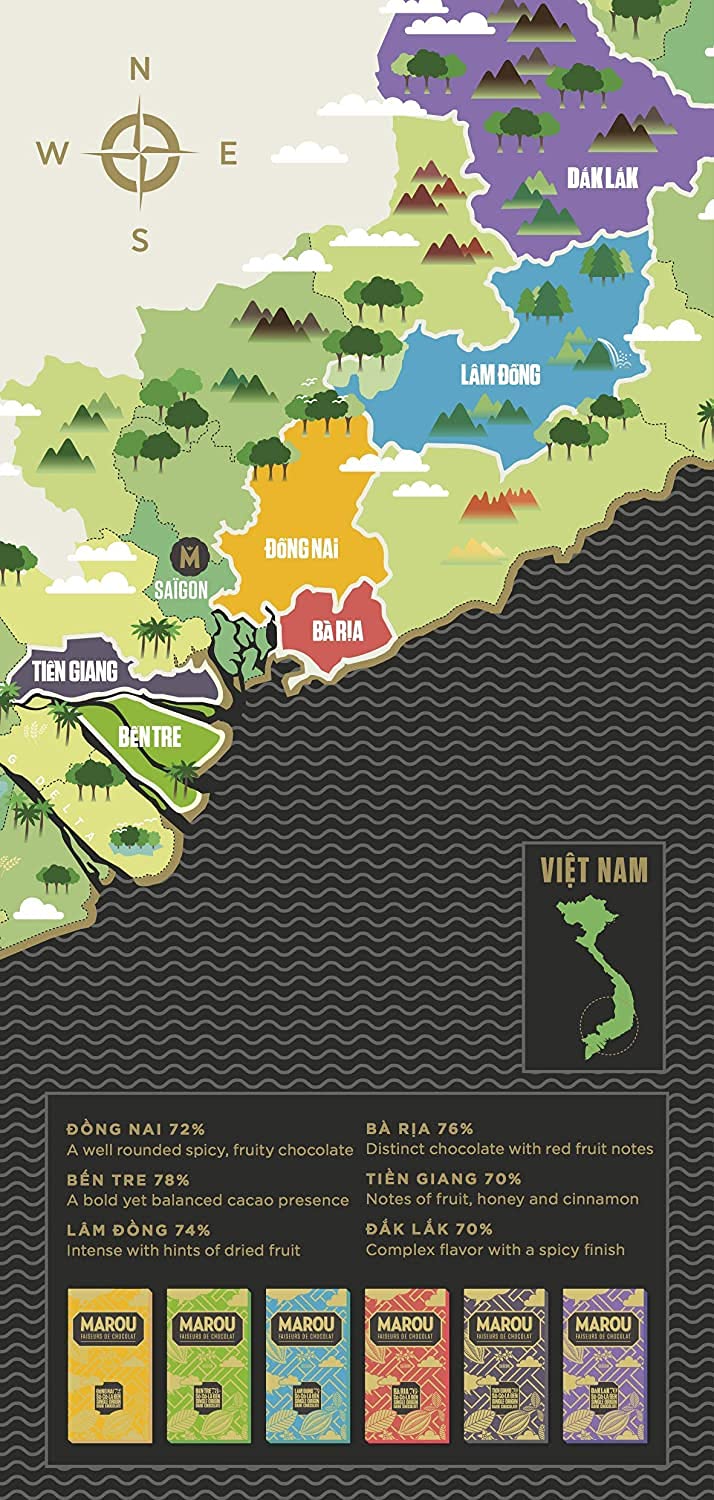
Marou is a French-Vietnamese maker based in Ho Chi Minh City, and their bars are among the most geographically specific available to US buyers — each one tied to a named Vietnamese province, with cacao sourced from smallholder farmers in that region. Fine Cooking, in their editorial piece “How Cacao Origin Shapes Flavor,” cites Vietnam as an emerging terroir source with unusual floral and fruity character distinct from West African or Latin American origins, noting the country’s growing reputation among single-origin enthusiasts.
Buyers who’ve tasted Marou bars in Vietnam before ordering them online frequently describe a loyalty to the brand that feels personal — they sought these bars out because the origin experience was memorable. That’s a meaningful gifting signal: Marou works especially well for recipients who have a connection to Southeast Asia, or for adventurous buyers who want to offer something genuinely unlike any other bar in the craft chocolate category.
The fragility problem is real: Multiple buyers across purchasing platforms flag broken bars as a recurring issue, even with cold-pack shipping. Marou’s chocolate is described as extremely delicate — thinner snapping points, more brittle texture than American or European craft bars. If you’re shipping to a warm climate, ordering in summer months, or sending to a recipient who won’t be home to receive the package immediately, Marou carries meaningful transit risk. Cold-pack adds cost and still doesn’t eliminate breakage from handling. The bar can arrive as beautiful shards rather than intact pieces.
The recommendation rule: For in-person gifting or hand-delivery, Marou is a standout choice. For shipped gifts, especially across multiple climate zones, build in realistic expectations or choose a more robust format.
Raaka
$26.95
In stock on Amazon
Check price on AmazonTCHO: The Health-Forward Craft Option
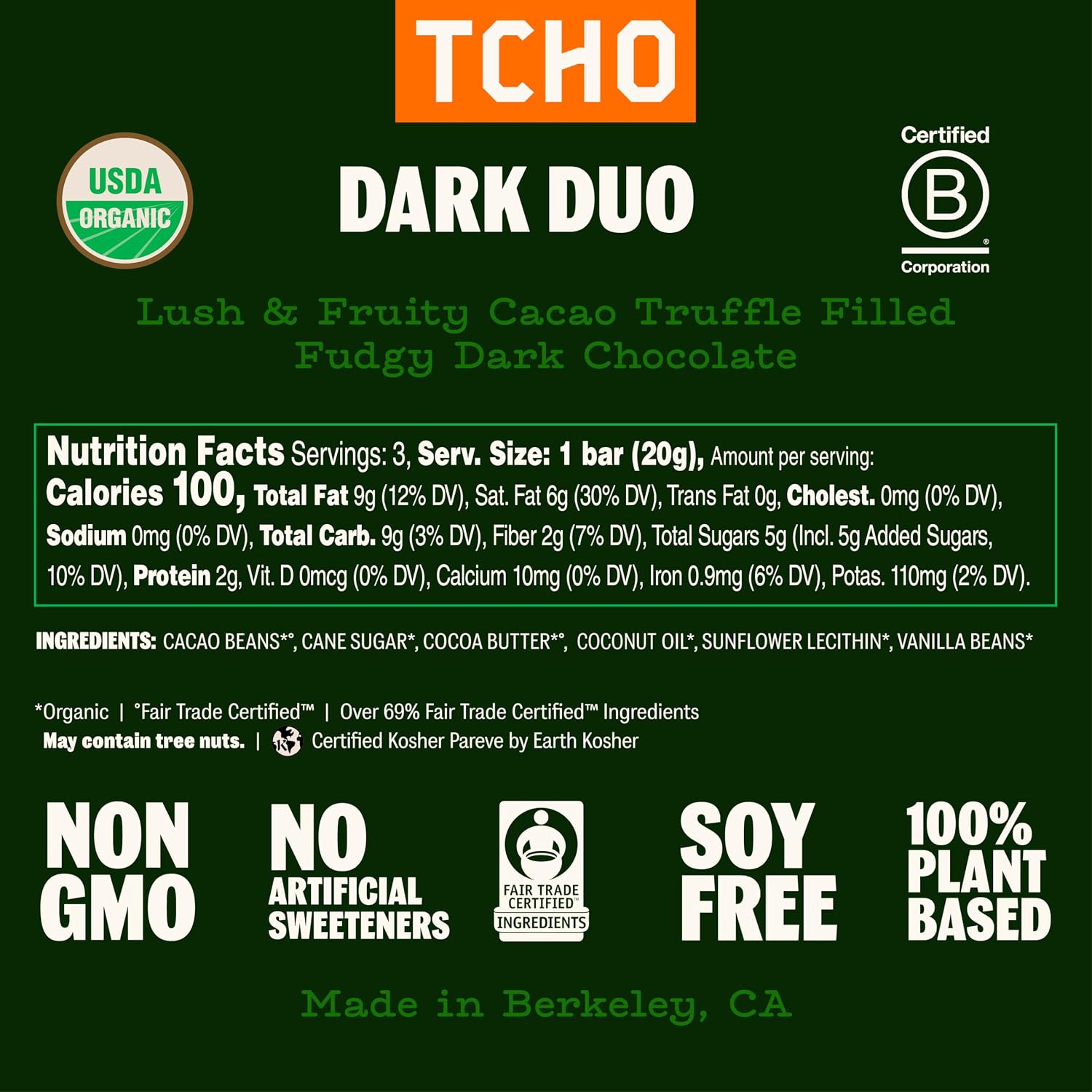
TCHO occupies an interesting space in this comparison: it started in San Francisco with a precision-driven, iterative approach to flavor development, and its buyer base reflects that background. Buyers mention antioxidant content and low sugar counts alongside flavor notes more frequently than buyers of any other brand in this comparison — suggesting a meaningful health-forward segment in TCHO’s audience who care about what’s in the chocolate, not just how it tastes.
Flavor profile: Clean, precise, and consistent. TCHO doesn’t lean into the wild fermentation character of Raaka or the single-farm provenance drama of Dick Taylor, but their bars are reliably enjoyable and calibrated for approachability. Bon Appétit, in their buyer’s guide “The Best Craft Chocolate Bars You Can Actually Buy Online,” describes TCHO as a strong on-ramp brand for buyers transitioning from premium grocery chocolate toward the craft tier, citing its consistency as a feature rather than a limitation.
Gifting use case: TCHO works best as a bridge gift — something for the recipient who’s curious about craft chocolate but isn’t ready for the intensity of an unroasted bar or the wine-geek complexity of a single-origin provenance set. It’s also the most “safe” choice for corporate gifting contexts where recipient palates are unknown.
Marou
$38.89
In stock on Amazon
Check price on AmazonBrand Comparison at a Glance
| Brand | Processing | Dairy-Free? | Shipping Fragility | Best For |
|---|---|---|---|---|
| Raaka | Unroasted | Yes (dedicated facility) | Low–Medium | Vegan/DF buyers; natural flavor seekers |
| Dick Taylor | Roasted | Varies by bar | Low | Discovery-oriented; origin explorers |
| Marou | Roasted | Generally yes | High | In-person gifts; SE Asia connection |
| TCHO | Roasted | Varies by bar | Low | First-timers; health-conscious buyers |
Are Craft Bars Worth the Price vs. Lindt or Ghirardelli?
The honest answer is: it depends on what you’re paying for. A Lindt Excellence 85% bar is a genuinely good product — consistent, widely available, and priced fairly for what it delivers. If your recipient just wants reliable dark chocolate enjoyment, there’s no shame in a familiar assortment.
Craft bars charge a premium — typically $8–$14 per bar versus $3–$5 for premium grocery chocolate — for a cluster of things that aren’t always visible in the eating: direct-trade sourcing relationships that return more revenue to farmers, small-batch processing that allows flavor development impossible at industrial scale, and genuine origin-specific character that changes from bar to bar. As Serious Eats notes in their explainer “What Is Bean-to-Bar Chocolate and Why Does It Cost So Much,” you’re not just buying flavor — you’re buying a supply chain that’s been built differently, from farm relationships to small-batch roasting decisions that can’t be replicated at industrial volume.
For a recipient who would notice the difference — a curious palate, a traveler, a food-focused person — the craft premium earns its keep. For a recipient who would be equally happy with a familiar bar they already love, spend the money on quantity rather than craft complexity.
Frequently Asked Questions
What does unroasted chocolate taste like compared to regular dark chocolate? Unroasted (sometimes called “virgin” or “raw”) cacao produces chocolate that’s brighter, fruitier, and more acidic than roasted dark chocolate. Where roasted dark chocolate reads as bitter-sweet and earthy, unroasted chocolate can taste almost wine-like or fermented-fruity. The Chocolate Life’s editorial overview “Understanding Unroasted Cacao and Raw Processing” describes this as a fundamental processing divergence, not merely a stylistic variation. Raaka is the clearest example in this comparison.
Is Raaka chocolate actually dairy-free and safe for milk allergies? Raaka produces their bars in a dedicated dairy-free facility, which is meaningful for those with milk allergies who need to avoid cross-contamination risk, not just lactose intolerance. Always verify current production practices with the brand directly before gifting to someone with a clinical milk allergy — facilities and processes can change.
How fragile are Marou bars — will they arrive broken? Fragility is a documented risk with Marou. Multiple buyers report receiving broken bars even with cold-pack packaging. For shipped gifts, especially in warm weather or to recipients who won’t be home promptly, this is a real consideration. Hand-delivery or in-person gifting is where Marou shines.
What is the difference between Dick Taylor’s single-origin trios and their flavored trios? Single-origin trios pair three bars, each from a different cacao farm or country, with no additions — the point is tasting how geography shapes flavor. Flavored trios take one or more origins and add inclusions like sea salt, vanilla, or roasted nibs. The former is for origin explorers; the latter is for people who want interesting-but-approachable eating chocolate.
Are craft chocolate bars worth the price compared to Lindt or Ghirardelli? For a recipient who’s curious about flavor and origin, yes — the price gap is real but so is the difference in what you’re tasting. For a recipient who’s satisfied with consistent, familiar dark chocolate, Lindt or Ghirardelli may serve them better. Match the gift to the person, not to an abstract quality hierarchy.
Which of these brands is best for someone who has never tried craft chocolate before? TCHO for approachability, Dick Taylor flavored trios for a slightly more adventurous first step. Avoid starting a craft chocolate newcomer on Raaka unless they’re already dairy-free and open to unusual flavor profiles — the unroasted style is a genuine acquired taste that can confuse more than delight on a first encounter.