May 7, 2026 • Celeste Marchand • 8 min reading time • Prices verified June 6, 2026
Bean-to-Bar Gift Trios That Explain Themselves: Craft Chocolate for the Curious
If you’ve ever handed someone a beautiful chocolate bar and watched them read the back label with polite confusion — “70% cacao, Madagascan origin, fruity notes” — you already understand the problem this article is solving. Bean-to-bar chocolate (meaning chocolate made by a single producer who controls the process all the way from raw cacao beans to finished bar, rather than buying pre-made chocolate mass and flavoring it) is genuinely one of the most interesting food categories in the world. But without context, a single bar reads like a riddle. A trio, structured deliberately around one variable — one origin, one percentage progression, or one maker’s full range — turns that riddle into an answer. By the time you finish this guide, you’ll know exactly how to select, sequence, and present a three-bar set that explains itself to the recipient, whether you’re spending $45 or $150.
Why Three Bars, and Why Structure Matters
One bar is a gift. Two bars is a comparison. Three bars is a curriculum.
That framing isn’t precious — it’s the structural logic that makes a trio worth more than the sum of its parts. The Chocolate Life’s primer on bean-to-bar production makes the point plainly: flavor in craft chocolate is a function of origin, fermentation, roast, and percentage working together, and isolating one variable at a time is how a trained palate develops. The trio format borrows that pedagogy and makes it accessible to someone eating chocolate at their kitchen table on a Tuesday.
The three workable trio structures, ranked by clarity for the recipient:
Structure A — The Percentage Ladder (Same origin, three percentages) Example: A maker’s 65%, 72%, and 80% bars from the same Peruvian cacao lot. The recipient eats them in order, lightest to darkest, and experiences cacao intensity and bitterness as a dial rather than a binary. Fine Cooking’s breakdown of cacao percentage notes that each 5–8 point jump in percentage meaningfully shifts the ratio of cocoa solids to sugar, producing perceptible changes in sweetness, acidity, and finish length. This is the most beginner-readable structure.
Structure B — The Origin Flight (Same percentage, three countries) Example: Three 70% bars — one Ecuador, one Madagascar, one Ghana — from the same maker. The recipient now tastes terroir (the flavor influence of soil, climate, and local cacao variety) as a real thing, not a marketing word. Saveur’s overview of single-origin chocolate notes that Madagascar cacao reliably produces bright red-fruit and citrus notes, while West African origins like Ghana tend toward earthier, more classic “chocolate” profiles. Controlled by a single maker’s house process, the differences are audible rather than muddied by different production styles.
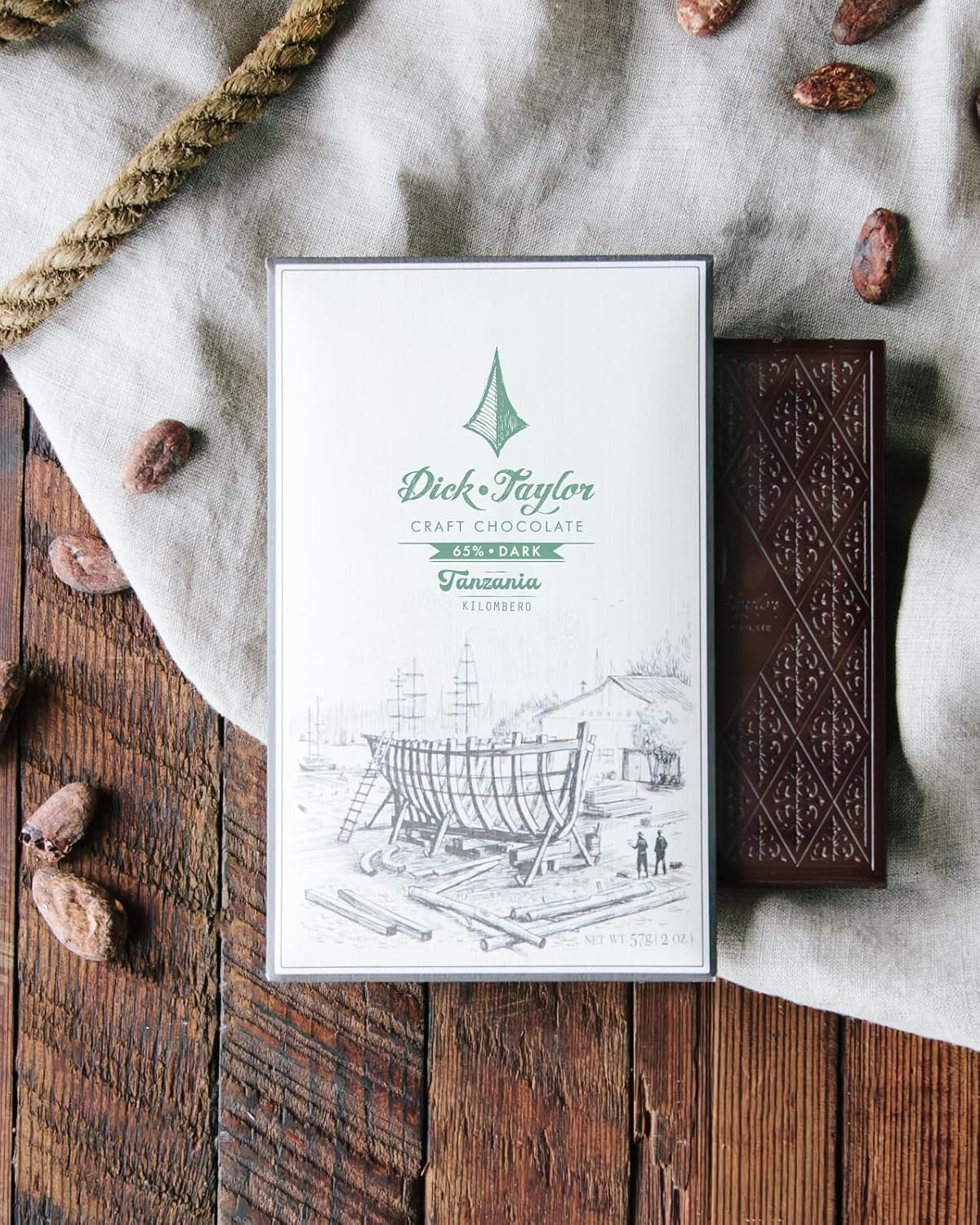
Structure C — The Maker Arc (Signature bar + experimental + collaboration or inclusion) This is the most sophisticated structure and the one that rewards repeat gifting to a recipient who already knows their preferences. You’re essentially giving them a brand essay: here is what this maker does at their best, here is where they push, here is what happens when they add a variable (a milk percentage, a different processing method, a local ingredient). This works best with makers who publish tasting notes and production philosophy — Dandelion Chocolate, Raaka, Fruition Chocolate Works, and Dick Taylor are among those whose packaging tells enough of the story that the recipient can follow along.
The Makers Worth Building a Trio Around (and the Tradeoffs)
Not every bean-to-bar producer has enough bar variety to support all three structures. Here’s the honest breakdown of what’s currently available and what the tradeoffs look like.
Dandelion Chocolate (San Francisco) Dandelion is one of the most pedagogically-minded makers in the US market. Their bars are single-origin, single-ingredient (cacao and sugar only, no added cocoa butter or vanilla), and their packaging includes detailed origin notes and flavor expectations. Bon Appétit’s current chocolate ranking consistently places Dandelion in the top tier for transparency and flavor consistency. The tradeoff: their line is almost entirely dark bars in the 70–75% range, which limits Percentage Ladder trios but makes Origin Flight trios excellent. A three-bar Madagascar / Ecuador / Belize flight runs approximately $30–$36 at retail ($10–$12 per bar). This is the strongest $35 trio on the market for an intellectually curious recipient.
Fruition Chocolate Works (Woodstock, NY) Fruition, founded by Bryan Graham, is a critical darling reviewed favorably in Smithsonian Magazine’s feature on the new American craft chocolate movement. Graham sources unusually and processes with a degree of precision that produces bars with clear, clean flavor profiles — brown butter, dried cherry, and malt notes appear frequently in aggregated reviewer descriptions. Fruition supports a Percentage Ladder trio better than most: their 68%, 74%, and 85% bars from select origins give a legitimate progression. Retail prices run $11–$14 per bar, putting a trio at $33–$42. The complexity of Fruition’s flavor profiles rewards tasting notes cards — if you’re assembling a DIY trio, print their published tasting notes and include them.
Raaka Chocolate (Brooklyn, NY) Raaka uses unroasted cacao (their “virgin chocolate” descriptor), which produces distinctly brighter, more acidic, and more intensely fruity flavor profiles than conventional roasted-cacao bars. The Chocolate Life has noted Raaka’s processing approach as one of the clearest examples of how a single production variable (roast level) shapes final flavor. For a gift trio, Raaka works best as a Structure C Maker Arc: their core bar, one of their monthly “First Nibs” limited-edition bars, and one of their flavored inclusions tell a coherent creative story. Price range: $9–$14 per bar, $27–$42 for a trio. Best for a recipient who already likes dark chocolate and is ready to have their assumptions challenged.
Marou (Vietnam) For a premium tier — $50–$90 for a trio — Marou is the clearest option. Their bars are regional-origin-specific within Vietnam, which means an Origin Flight trio (Ben Tre 78%, Tien Giang 70%, Ba Ria 76%) is genuinely instructive about how microclimate differences within a single country produce different flavor results. Marou’s packaging design is among the most striking in the category, which matters for gifting aesthetics. Smithsonian Magazine’s coverage of the craft chocolate industry cited Marou as a landmark example of farm-to-bar production in Southeast Asia. The tradeoff: price per bar runs $16–$22, and US availability requires ordering through specialty retailers rather than local shops.
By the Numbers
| Trio Structure | Price Range | Best Maker Match | Recipient Experience Level |
|---|---|---|---|
| Percentage Ladder | $30–$55 | Fruition, Dick Taylor | First-time craft chocolate buyer |
| Origin Flight | $30–$65 | Dandelion, Marou | Curious but not yet fluent |
| Maker Arc | $30–$90 | Raaka, Fruition | Chocolate-literate, repeat recipient |
How to Present a DIY Trio Without It Looking Assembled
The presentation gap between a purpose-built gift set and three bars you pulled off a shelf is real, and it’s solvable with about ten minutes of work.
The index card method: Write (or print) three short lines per bar — origin, percentage, and one flavor note (“expect: dried cherry, brown butter, long finish”). Place the card under the bars in the box. This is essentially what Dandelion puts on their packaging, and it’s what transforms the eating experience from “guessing” to “learning.” Fine Cooking’s chocolate primer notes that priming tasters with one or two specific flavor cues before eating dramatically improves their ability to actually perceive those notes — so this isn’t just decoration, it’s function.
Sequence notation: Number the bars 1, 2, 3, with a note like “eat in this order.” For a Percentage Ladder, go light to dark. For an Origin Flight, go by flavor intensity — typically West African first (most familiar profile), then Latin American, then Madagascar (most unusual). For a Maker Arc, start with the core bar, then the experimental one.
Box sourcing: A matte-finish rigid box with a ribbon closure from a craft supply store runs $3–$6 and makes three bars look like they were meant to be together. For corporate gifting applications, this is the minimum viable presentation at a quantity of one; at scale, custom-printed boxes from most of these makers are available with lead times of 3–6 weeks.
The Decision Framework
Here’s the if/then ruleset, stated plainly:
If the recipient has never intentionally tasted craft chocolate → Percentage Ladder, Dandelion or Fruition, $30–$42, include the flavor cards. This is the trio that most reliably converts a curious person into a repeat buyer.
If the recipient already likes dark chocolate and talks about “good chocolate” → Origin Flight, Dandelion or Marou depending on budget, $30–$65. They’ll have the vocabulary to appreciate terroir as a real thing.
If you’re gifting for a repeat occasion (birthday two years running, annual client gift) → Maker Arc with a different maker each year. Raaka year one, Fruition year two, Marou year three. You’re building a curriculum over time without repeating yourself.
If the budget is under $30 → Single maker, two bars is better than a diluted three-bar set. Dandelion’s two-bar combinations at $20–$24 hold their structural logic better than stretching to a third bar from a different maker just to hit a number.
If this is a corporate order of 20+ units → Origin Flight trios in maker-branded packaging or custom-boxed house-brand trios from a distributor like Choc on Choc or through direct maker wholesale programs. Structure B (Origin Flight) narrates well in corporate contexts because it doesn’t require the recipient to know the maker’s history — the story is geography, and geography explains itself.
The craft chocolate category keeps producing makers worth knowing. The trio format is your fastest tool for introducing someone to it in a way that sticks.