May 21, 2026 • Celeste Marchand • 9 min reading time • Prices verified June 6, 2026
Will Your Chocolate Arrive Melted? What Buyers Actually Experienced
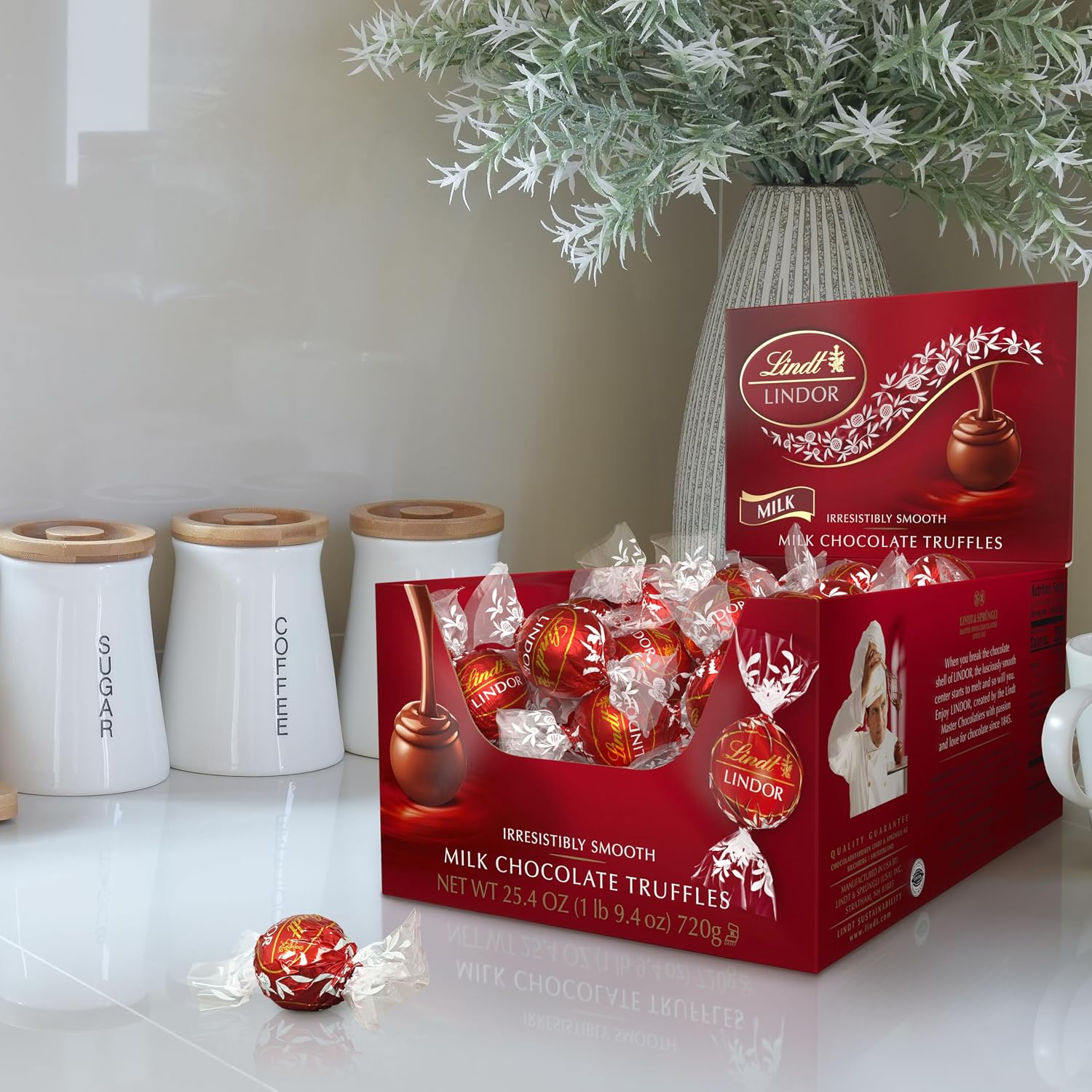
Chocolate is basically a precision-engineered mixture of cocoa butter, cocoa solids, sugar, and sometimes milk — and cocoa butter has a famously narrow melting range: it starts softening around 85°F and turns fully liquid somewhere between 93°F and 98°F. That’s below body temperature, which is why good chocolate melts on your tongue. It’s also why a box sitting in an unshaded delivery truck on a July afternoon in Phoenix can arrive as a brown puddle. If you’ve ever ordered chocolate online and held your breath when the package arrived, you already understand the problem intuitively. This guide breaks down exactly what real buyers reported across a range of brands and shipping situations, explains the science behind melt damage in plain terms, and gives you a concrete decision framework for when to order, what to look for in a seller’s packaging, and what to do when things go wrong.
The Divide Is Real: Cold-Chain Packaging vs. Nothing
The single most important variable in whether your chocolate survives shipping isn’t the distance it travels or even the time of year — it’s whether the seller invested in cold-chain packaging (insulated liners, gel ice packs, or phase-change materials designed to absorb heat before it reaches the chocolate). Across aggregated buyer reviews, the pattern here is stark.
Reviewers purchasing Hershey bulk bags, Dove Promises dark chocolate, the Ferrero Collection, and the Godiva gold box consistently credited ice packs and insulated barriers for their orders arriving in perfect condition — even in warm weather. These aren’t all artisan brands; they’re mass-market or near-mass-market items. But the sellers shipping them made a deliberate packaging call, and buyers noticed. Multiple reviews explicitly named the cold-chain packaging as the reason the product was intact, which tells you something important: buyers are paying attention to this, and the packaging alone is generating goodwill and repeat purchasing.
The contrast is jarring. A Lindt Lindor truffle buyer reported their order arriving in 80-degree weather inside what they described as a flimsy paper envelope with no insulation whatsoever. The truffles were damaged. GuyLian Seashells generated a 1-star review in which the buyer described both boxes arriving completely melted and jumbled together — a total loss. Venchi’s 85% dark bar and a Pistazia Dubai chocolate both produced complaints about the melt-and-resolidify cycle that distorts shape and appearance (more on why that matters in a moment).
The lesson for any buyer who is currently evaluating a seller or deciding whether to place an order: the brand name on the chocolate is only half the equation. The seller’s fulfillment infrastructure is the other half.
The Melt-Resolidify Problem: More Than Just Ugly
Here’s where the science matters. When chocolate melts and then cools back down without being properly tempered — that controlled crystallization process chocolatiers use to give bars their gloss and snap — it doesn’t return to its original state. What you get instead is called bloom: either fat bloom (when cocoa butter migrates to the surface and re-solidifies in an unstructured way, producing a grayish-white haze or streaky patches) or sugar bloom (when condensation causes surface sugar to dissolve and recrystallize, leaving a gritty, matte coating).
Serious Eats’ deep-dive on chocolate bloom explains the distinction clearly: fat bloom is caused by temperature fluctuation that allows cocoa butter to separate and re-migrate, while sugar bloom is typically the result of condensation. Both are common outcomes of a shipping melt event.
Is bloomed chocolate safe to eat? Yes. Fine Cooking’s overview of tempering and bloom is explicit on this: bloom is a textural and aesthetic defect, not a food safety problem. The chocolate hasn’t spoiled. But — and this is worth naming for anyone making a gifting decision — the eating experience is genuinely degraded. Fat-bloomed chocolate loses its snap, its mouthfeel becomes grainy or waxy, and the flavor intensity can dull because the cocoa butter is no longer carrying aroma compounds to your palate the way a properly tempered bar does. For a $4 candy bar, that might be acceptable. For a $45 truffle collection or a $180 single-origin bar set you’re giving to a client, it’s a meaningful quality failure.
Smithsonian Magazine’s piece on the science of chocolate melting notes that milk chocolate and white chocolate — which contain higher ratios of milk fat and sugar — are more physically vulnerable to heat deformation than dark chocolate with high cocoa content. But even a 75% dark bar will bloom if the melt is severe enough.
By the Numbers: Heat Vulnerability by Chocolate Type
| Type | Approximate Melt Onset | Bloom Risk After Resolidification |
|---|---|---|
| White chocolate | ~82°F | High (high sugar + milk fat) |
| Milk chocolate | ~84°F | High (milk fat accelerates bloom) |
| Dark chocolate (55–70%) | ~86°F | Moderate |
| Dark chocolate (75%+) | ~88–90°F | Lower, but not immune |
| Filled truffles / ganache | ~80–84°F (filling) | Very high (ganache melts first) |
Filled truffles and ganache-center pieces are the most vulnerable category because the filling reaches liquid state before the shell does, creating internal pressure that can rupture or deform the piece entirely. Lindor truffles — with their liquid-center design — are especially susceptible, which makes the bare-paper-envelope shipping choice described by buyers all the more confusing.
What Buyers Are Already Doing About It
A notable behavioral pattern emerged across reviews: several buyers proactively chose to have orders shipped to a business address specifically to reduce heat exposure risk. The logic is sound — commercial addresses typically receive deliveries earlier in the day, before ambient temperatures peak, and packages are less likely to sit on a sun-exposed porch for six hours. This is a live workaround being used by buyers right now, not a hypothetical.
Epicurious’s guide to chocolate storage recommends keeping chocolate between 60°F and 70°F with low humidity — conditions that a business receiving dock or air-conditioned mailroom approximates far better than a residential doorstep in May through September. If you’re placing a high-value order and you have access to a business delivery address, this is worth doing.
The discussion threads at The Chocolate Life — a practitioner-focused forum covering artisan chocolate buying and production — surface another strategy: timing orders to arrive Tuesday through Thursday, avoiding Friday arrivals that might sit in a hot delivery vehicle or at a shipping facility over the weekend. Sellers who offer delivery date selection are, for heat-sensitive buyers, providing meaningfully more value than their base price suggests.
How to Evaluate a Seller’s Shipping Practices Before You Buy
You cannot always tell from a product page whether a seller uses cold-chain packaging, but there are reliable signals:
Look for explicit packaging language. Sellers who invest in insulated shipping usually say so — phrases like “ships with ice pack,” “insulated liner included,” or “refrigerated shipping in warm months” in product descriptions or FAQs are positive indicators. Absence of this language is not proof they don’t ship with protection, but it’s worth digging into customer reviews specifically for warm-weather orders.
Filter reviews by recency and season. A product with stellar reviews from November through February may have a completely different review profile in July. Sort by most recent and look for any mention of heat damage, melting, or bloom. Single-star reviews describing melt events are the most reliable negative signal.
Check the seller’s return policy for melt damage explicitly. Some sellers guarantee against heat damage; others disclaim it entirely. Sellers who guarantee condition are implicitly stating confidence in their cold-chain setup.
Consider who the seller is, not just what they’re selling. A brand selling directly through its own storefront has reputational skin in the game for every shipment. A third-party marketplace seller reselling the same branded product may have lower investment in packaging quality. The same Godiva gold box shipped by Godiva’s own fulfillment and by a gray-market reseller are not the same product from a cold-chain standpoint.
Frequently Asked Questions
How can I tell if a seller will ship chocolate with an ice pack before I buy? Check the product description and seller FAQs for explicit cold-chain language. Then read recent reviews (last 60–90 days), filtered by low star ratings, and search for the words “melted,” “bloom,” or “damaged.” If you can’t find any warm-weather reviews, contact the seller directly and ask — a seller confident in their packaging will answer quickly and specifically.
What happens to chocolate that melts and re-solidifies — is it safe to eat? It’s safe. Per Fine Cooking’s coverage of bloom and tempering, melt-and-resolidify events cause fat or sugar bloom, which is a textural and visual defect, not a spoilage or food safety issue. The flavor may be duller and the texture grainy or waxy, but there is no health risk.
Which chocolate types are most vulnerable to heat damage during shipping? Filled pieces — truffles, ganache centers, pralines — are the most vulnerable because the filling melts before the shell. White and milk chocolate are next, due to higher milk fat and sugar content. High-percentage dark chocolate bars are the most heat-resilient, though not immune to bloom.
Should I avoid ordering chocolate online in summer? Not necessarily, but you should be more selective about seller and timing. Order from sellers who explicitly guarantee cold-chain packaging, choose business-address delivery when possible, and aim for Tuesday–Thursday arrival to avoid weekend warehouse delays. If a seller provides no packaging assurance and no return policy for heat damage, summer is the wrong time to take that risk.
What should I do if my chocolate arrives melted? Document it immediately with photos before opening the package fully. Contact the seller the same day — most quality sellers will replace or refund, but they need photographic evidence. Check the seller’s policy on heat damage before purchasing so you know your recourse in advance.
Does bloom from heat affect flavor as well as appearance? Yes, meaningfully. Serious Eats’ analysis of bloom notes that fat bloom disrupts the cocoa butter matrix that carries volatile aroma compounds, dulling both aroma and the way flavor releases on the palate. The chocolate is still edible, but the eating experience — especially for a premium single-origin piece where nuanced flavor is the entire point — is genuinely compromised. For gifting purposes, bloomed chocolate is a quality failure even if it’s technically safe.
The Decision Rule
If you’re buying for yourself and the seller can’t confirm cold-chain packaging, buy in cooler months or arrange business-address delivery and accept some risk. If you’re buying as a gift — especially for a milestone occasion or a corporate client relationship where presentation matters — only order from sellers who explicitly guarantee cold-chain packaging and have recent warm-weather reviews confirming intact delivery. The price difference between a seller who invests in insulated shipping and one who doesn’t is rarely large enough to justify the reputational risk of a melted gift. When the chocolate matters, the packaging has to match.